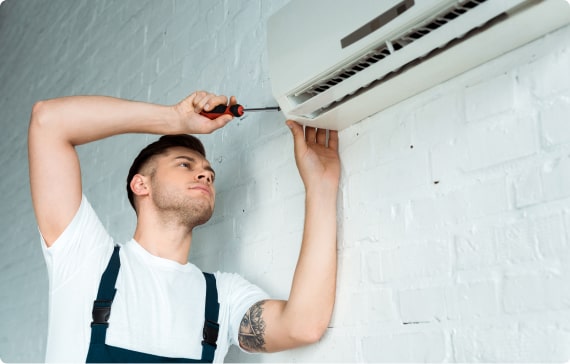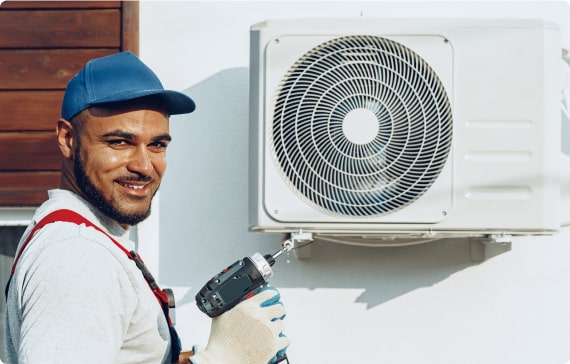
Commercial air conditioning replacement makes sense when repair bills stack up, efficiency has collapsed, or spare parts for an ageing platform are scarce. Commercial AC Installation helps UK businesses arrange surveys that compare keeping the old plant versus specifying a modern like-for-like or upgraded system.
Replacement is not only about the indoor look — outdoor space, electrics, pipe routes, F-Gas handling and downtime windows decide the real cost. Offices, shops and hospitality sites often phase swaps by zone so trading can continue.
A structured survey sets capacity, zoning and install method before you commit budget, so you are not buying a larger version of the wrong design.
Reliable Commercial Air Conditioning Replacement for Businesses
Commercial air conditioning replacement should not be treated as a simple like-for-like swap without proper checks. The original system may have been installed years ago, and the building may now be used differently. Staff numbers may have changed, layouts may have been altered, equipment may have been added, or certain areas may now need more reliable cooling.
A replacement gives the opportunity to review whether the current system is still the right fit. In some cases, a newer wall mounted air conditioning unit may be enough for a smaller commercial room. In larger or multi-room premises, a multi split, ducted air conditioning, VRF air conditioning or VRV air conditioning system may be more suitable.
The aim is to replace the system with a practical, reliable option that supports the business now, rather than simply copying an old setup that may no longer perform well.
When Should Commercial AC Be Replaced?
Commercial air conditioning replacement may be needed when repairs are becoming frequent, cooling performance is poor or the unit is no longer cost-effective to maintain. A system that keeps breaking down can cause disruption, repeated callouts and uncertainty for the business.
Common signs that replacement may be worth considering include weak cooling, inconsistent temperatures, high running costs, unusual noise, old controls, repeated faults, poor airflow, refrigerant issues or units that struggle during warmer weather.
In some cases, air conditioning repairs may still be suitable. However, if a unit is old, inefficient or suffering from repeated breakdowns, replacement may provide better long-term value than continuing to repair the same system.
The Pain Points of Delaying Replacement
Delaying commercial air conditioning replacement can create bigger issues over time. An ageing system may use more energy, place additional strain on parts and become less reliable during periods of heavy demand.
This can be especially difficult during warmer months, when engineer availability may be limited and businesses need cooling quickly. A complete failure during a busy trading period can affect staff, customers, stock, equipment and business continuity.
For server rooms, comms rooms, laboratories, healthcare settings, gyms, restaurants and hospitality venues, unreliable cooling can be more than uncomfortable. It can affect equipment performance, customer experience and the smooth running of the premises.
Replacing a system before it fails completely can help reduce disruption and give the business more control over timing, cost and installation planning.
Replacement After Inspection or Diagnosis
An air conditioning inspection or air conditioning diagnosis can help identify whether repair, servicing or replacement is the most sensible option. Not every fault means a full replacement is needed, but an inspection can highlight problems that may make ongoing repair less practical.
This may include worn components, poor airflow, refrigerant-related concerns, outdated controls, inefficient operation, damaged pipework or units that are no longer well matched to the building.
Where refrigerant work is involved, F-Gas registered engineers should be used, and F-Gas compliance should be considered. If an older unit needs removing, refrigerant recovery and safe decommissioning may also be required before a replacement system is installed.
A proper assessment helps avoid unnecessary replacement while also preventing businesses from spending money on repairs that may not provide lasting value.
Replacement System Options
The right replacement system will depend on the building, budget, layout and cooling requirements.
Wall mounted air conditioning is often suitable for smaller offices, shops, treatment rooms, salons and individual commercial rooms. It can be a practical replacement where a single area needs reliable cooling.
Ceiling cassette air conditioning can suit larger open-plan areas, offices, shops and hospitality spaces where balanced airflow is important. These systems are often used where ceiling space is available and a more central air distribution pattern is needed.
Ducted air conditioning can provide a discreet finish, with conditioned air delivered through grilles rather than visible wall units. This can be useful for commercial interiors where appearance matters.
Split system air conditioning may be suitable for individual rooms or smaller premises, while multi split systems can support several indoor units from one outdoor unit. For larger buildings, hotels, offices or multi-zone premises, VRF air conditioning or VRV air conditioning may be considered.
Heat pump air conditioning may also be suitable where the business wants heating and cooling from one system.
Replacement for Offices, Shops and Hospitality Premises
Commercial air conditioning replacement can be especially important in customer-facing and staff-focused environments. Air conditioning for offices helps support comfort and productivity, particularly in open-plan areas, meeting rooms, call centres and upper-floor spaces where heat can build quickly.
Shops, restaurants, cafés, hotels, salons, spas and gyms can also be affected by poor cooling. If customers feel uncomfortable, they may spend less time on the premises. In hospitality and leisure settings, reliable temperature control can form part of the overall customer experience.
A replacement system can help improve comfort, reduce noise and provide more dependable cooling during busy periods.
Replacement for Specialist Commercial Environments
Some businesses depend on consistent cooling for more than general comfort. Air conditioning for server rooms and comms rooms can help protect IT equipment from overheating. Data centre cooling and close control air conditioning may be needed where temperature stability is critical.
Laboratories, surgeries, medical settings, pharmaceutical spaces, warehouses, factories and production areas may also need carefully considered replacement systems. These environments can have specific requirements linked to equipment, processes, stock, people or operating hours.
In larger commercial or industrial settings, packaged air conditioning units, process cooling or more robust heating and cooling systems may be considered where standard comfort cooling is not enough.
Replacing, Upgrading or Relocating Existing AC
Commercial air conditioning replacement does not always mean replacing every part of the existing setup. Some premises may only need one failed unit replaced, while others may benefit from a wider upgrade.
An air conditioning upgrade may be suitable where the business has expanded, added equipment, changed room layouts or needs better control across different zones. In some cases, air conditioning relocation may also be considered if the existing unit position is no longer suitable.
Replacement planning should consider the indoor units, outdoor units, pipe routes, drainage, controls, electrical requirements, noise levels and future access for maintenance. This helps the new system work properly and reduces the risk of repeating old problems.
Long-Term Reliability After Replacement
The best commercial air conditioning replacement should support long-term reliability, not just short-term cooling. A good replacement should be properly specified, installed, commissioned and accessible for future maintenance.
Air conditioning commissioning helps confirm that the replacement system has been tested and set up correctly. This can reduce early performance issues and help the business understand how to use the system properly.
Future air conditioning maintenance and servicing should also be considered. A replacement system that is easy to access and maintain is usually better for long-term performance than one fitted without considering future checks.
For businesses that rely on temperature control, replacement can be a practical investment in comfort, reliability and continuity.
Commercial Air Conditioning Replacement FAQs
When should commercial air conditioning be replaced?
Commercial air conditioning replacement may be worth considering when a system is old, unreliable, inefficient, noisy, expensive to repair or unable to cool the space properly. Repeated breakdowns are often a sign that replacement should be reviewed.
Is it better to repair or replace an air conditioning unit?
This depends on the age, condition and fault. Air conditioning repairs may be suitable for minor issues, but replacement may offer better long-term value if the unit keeps failing, uses too much energy or needs expensive parts.
Can an old commercial AC unit be replaced with a different system?
Yes. A replacement does not always have to be like-for-like. Depending on the premises, options may include wall mounted air conditioning, ceiling cassette units, ducted air conditioning, split system, multi split, VRF or VRV systems.
Will replacing commercial air conditioning cause disruption?
Some disruption may be unavoidable, but good planning can help reduce the impact. Installation timing, access, working hours, unit positions and safe removal of old equipment can all be considered before replacement work begins.
Who needs commercial air conditioning replacement?
Commercial air conditioning replacement may be suitable for offices, shops, restaurants, hotels, gyms, schools, surgeries, warehouses, factories, server rooms and other business premises with old or unreliable AC systems.